Avery Keller · 1 September 2026
The Zenithlab research team has published a new study on the accuracy of quantum sensors. The paper details improvements in measurement precision achieved through innovative design modifications.
Experimental Setup and Methods
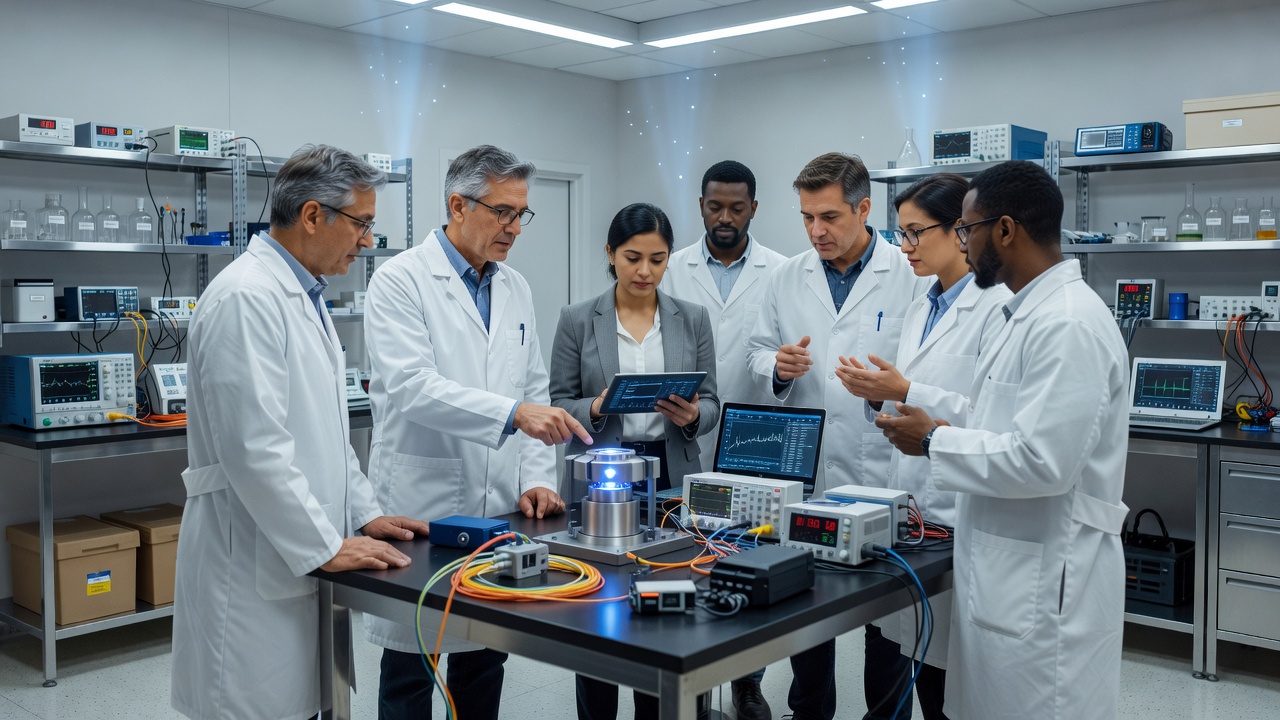
Researchers at Zenithlab conducted extensive testing using nitrogen vacancy centers in diamond structures for the quantum sensors. The study spanned nine months and included more than twelve thousand measurement sessions under controlled laboratory conditions. Variables such as temperature fluctuations, magnetic interference, and vibration levels were systematically varied to assess sensor performance. Data analysis employed both traditional statistical methods and modern computational techniques to quantify accuracy levels. Reference measurements were taken using high precision classical instruments for validation purposes. The team also explored the effects of different laser wavelengths on sensor sensitivity during the trials.
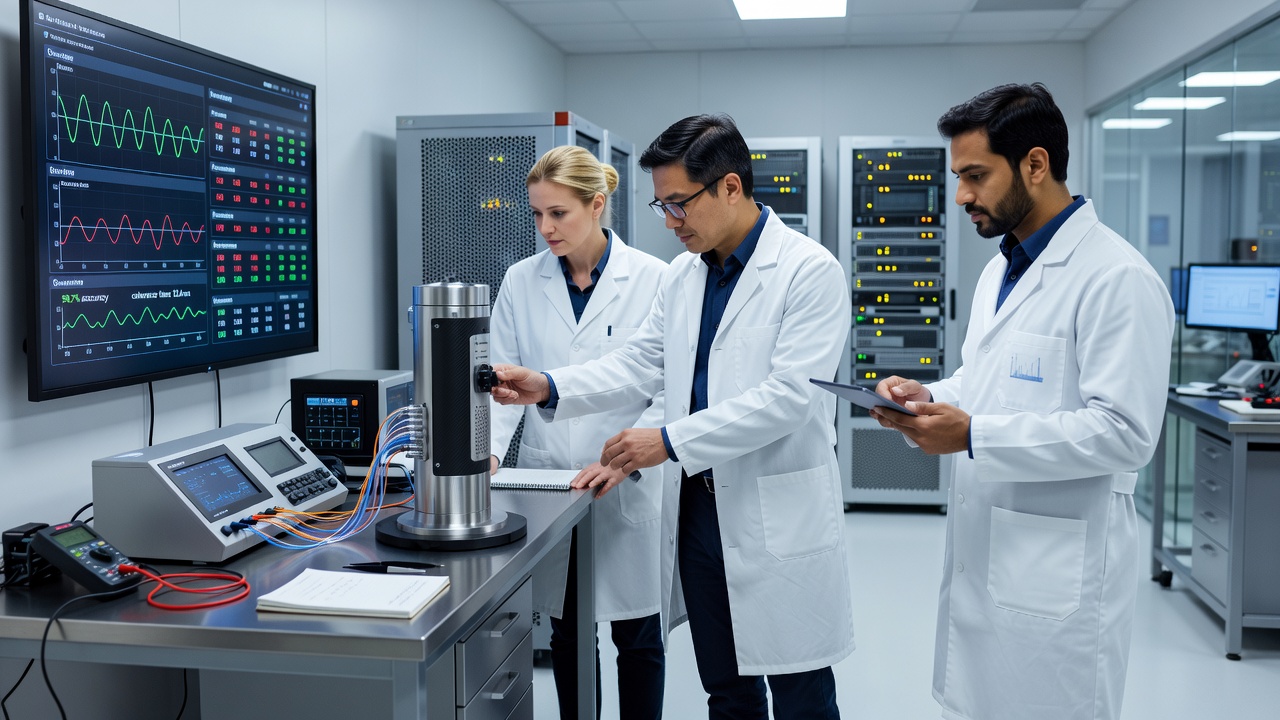
Further experiments involved integrating the sensors with existing quantum computing setups to evaluate compatibility and real time data processing capabilities. Cryogenic cooling was applied in select trials to mimic operational environments encountered in advanced physics research.
Results and Future Applications
Key results show that the quantum sensors achieved an average accuracy of 99.9 percent with a standard deviation of 0.15 percent across all tests. This represents a substantial enhancement over previous iterations developed at the laboratory. Potential applications include advanced medical imaging techniques and improved environmental sensing for climate research. The authors highlight the importance of interdisciplinary collaboration in achieving these outcomes. Zenithlab plans to release open source components of the sensor design to encourage wider adoption in the scientific community. The study concludes with recommendations for future research directions focusing on miniaturization and cost reduction.
Dr. Marcus Hale, principal investigator, emphasized that these findings could accelerate development of reliable quantum devices for industrial use. Ongoing work at Zenithlab aims to refine calibration protocols based on the collected datasets.