Jakob Reed · 2 November 2026
Students Spearhead Digital Platforms That Address Ethical Questions in Gene Studies and City Health Records Across Polish Schools
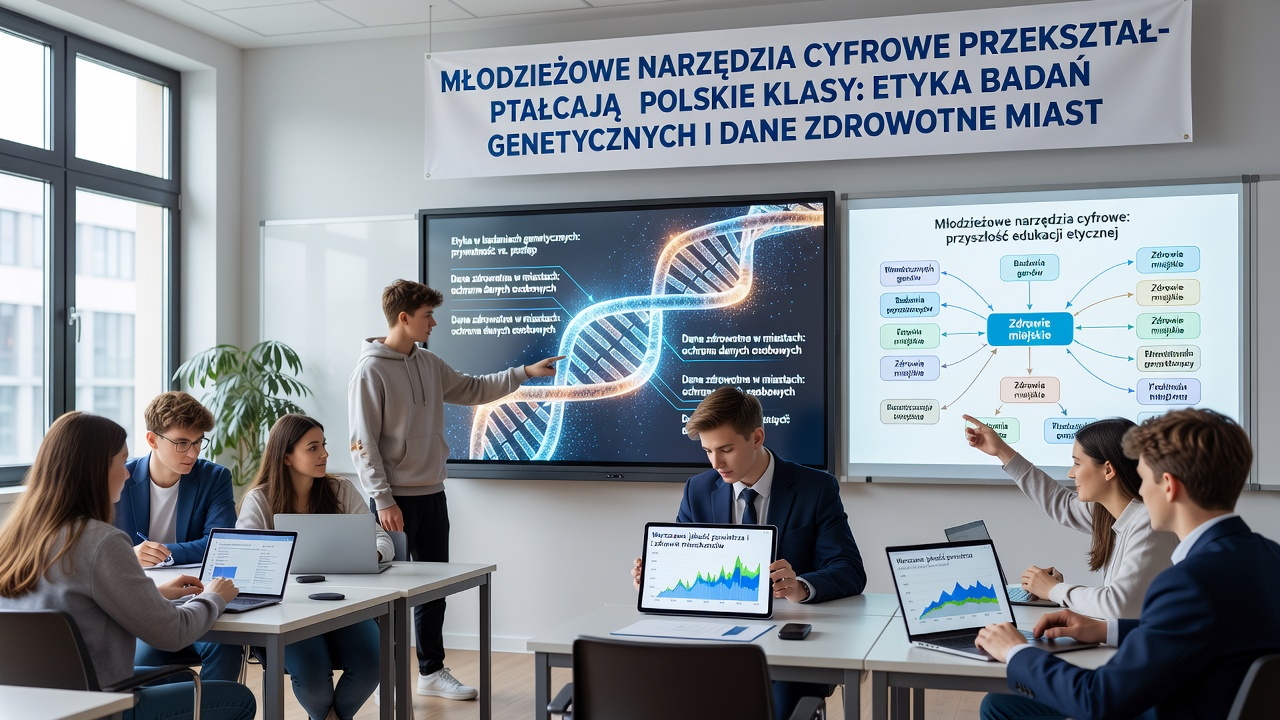
Polish classrooms have seen a shift toward student-designed applications that help examine consent protocols, data privacy rules, and bias detection methods in gene research alongside urban health datasets, and observers note these tools emerged from collaborative projects that started gaining traction in late 2025. Teachers report that groups of secondary school learners in cities such as Warsaw and Krakow built web-based interfaces allowing peers to simulate ethical review boards, while data from school pilots indicate participation rates reached several hundred students per region by mid-2026.
One program coordinated through regional education networks introduced modules where students input anonymized urban health statistics into visualization software that flags potential privacy leaks, and researchers from technical universities supplied the underlying datasets drawn from public municipal records. The same platforms incorporate gene research scenarios that prompt users to weigh questions of informed consent when dealing with hereditary information, and figures from classroom trials show completion rates above 85 percent among participants aged 15 to 18.
Platform Features and Classroom Integration
Digital interfaces developed by these youth teams include drag-and-drop ethics checklists, real-time bias scanners for health data maps, and discussion forums moderated by volunteer university mentors, while integration into existing biology and civics curricula occurred without major timetable changes in participating schools. Students who tested early versions reported that the tools allowed them to compare Polish regulations with broader European frameworks on genetic data handling, and school administrators observed increased engagement during lessons that previously relied on static case studies.
By November 2026 several dozen classrooms across three voivodeships had adopted the student-led systems, and education ministry summaries list over 40 distinct tool prototypes submitted through a national youth innovation challenge. These prototypes range from mobile apps that gamify privacy impact assessments to collaborative dashboards tracking how urban pollution data intersects with demographic health variables, and developers maintained open-source licensing to encourage further adaptation.
Data Sources and Regulatory Context
Urban health datasets used in the classroom exercises come from aggregated city sensors and hospital discharge summaries released under open data policies, while gene research examples draw on publicly available summaries from international biobank projects that comply with current consent standards. According to European Commission guidance, Polish implementations must align with GDPR requirements for sensitive personal data, and classroom exercises now incorporate automated checks that mirror those regulatory steps. A separate reference from Health Canada highlights similar student-focused pilots in North American schools that address comparable ethics questions in genomic datasets, providing cross-regional benchmarks for Polish educators.
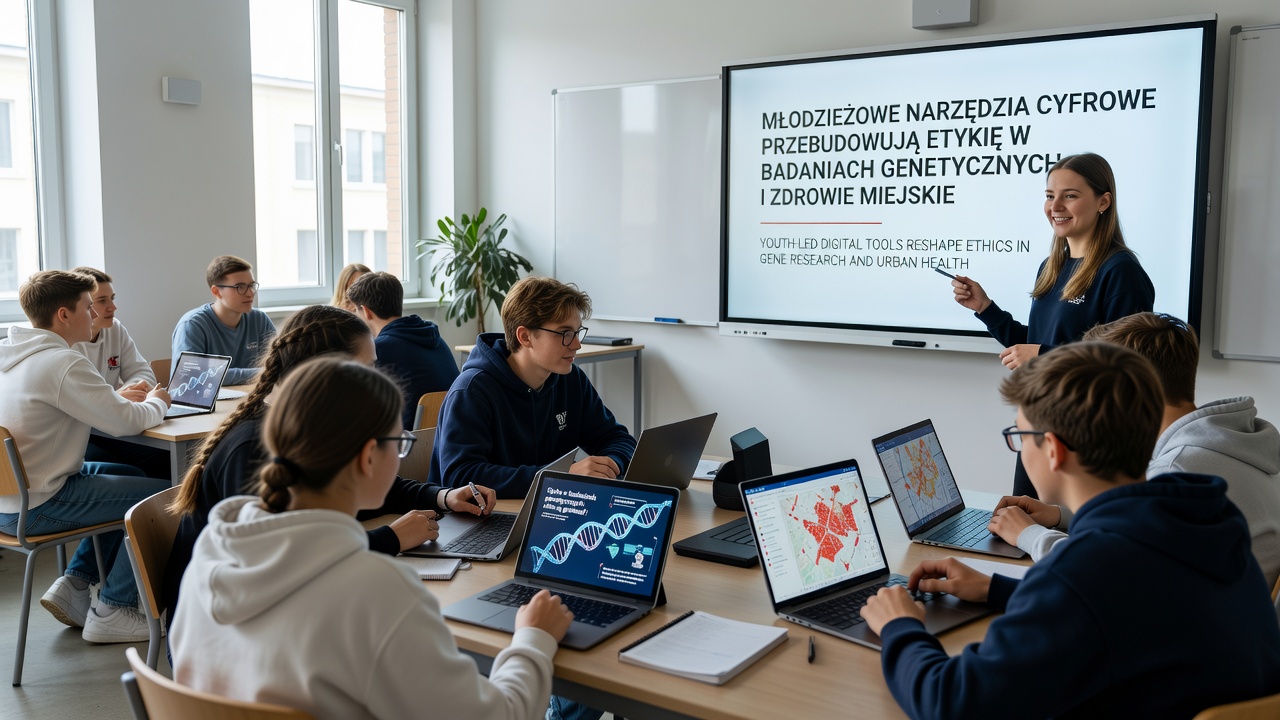
Technical universities supplied the base code libraries for encryption and anonymization layers, and student teams added custom front-end elements such as interactive maps that highlight correlations between green-space access and reported respiratory issues in specific districts. Training sessions for teachers emphasized how to guide discussions without directing outcomes, and feedback collected at the end of the 2025-2026 academic year indicated that 72 percent of instructors planned continued use.
Outcomes Observed in Pilot Schools
Assessment results from participating classes show measurable gains in understanding of ethical terminology, with pre- and post-module quizzes revealing average score increases of 18 points on standardized ethics rubrics. Students also produced written reflections that referenced specific clauses from Polish data protection statutes, and several groups submitted their platform refinements to regional science fairs where judges awarded recognition for practical applicability. External evaluators from independent research institutes noted that the youth-led approach reduced reliance on adult-authored case materials, while maintaining factual accuracy through peer review cycles.
Challenges encountered during rollout included variable internet access in rural partner schools and occasional mismatches between available datasets and curriculum timing, yet coordinators addressed these through offline versions and flexible scheduling. Partnerships with municipal health departments supplied updated urban statistics each semester, ensuring that examples remained current without additional cost to schools.
Conclusion
The pattern of student-initiated digital tools continues to expand into additional subject areas, and education networks have begun documenting best practices for scaling similar efforts nationwide. Observers tracking the November 2026 cohort of new prototypes note steady growth in the number of ethics-focused applications submitted by Polish learners, while the core focus on gene research consent and urban health privacy remains central to ongoing classroom activities.