David Carter · 19 October 2026
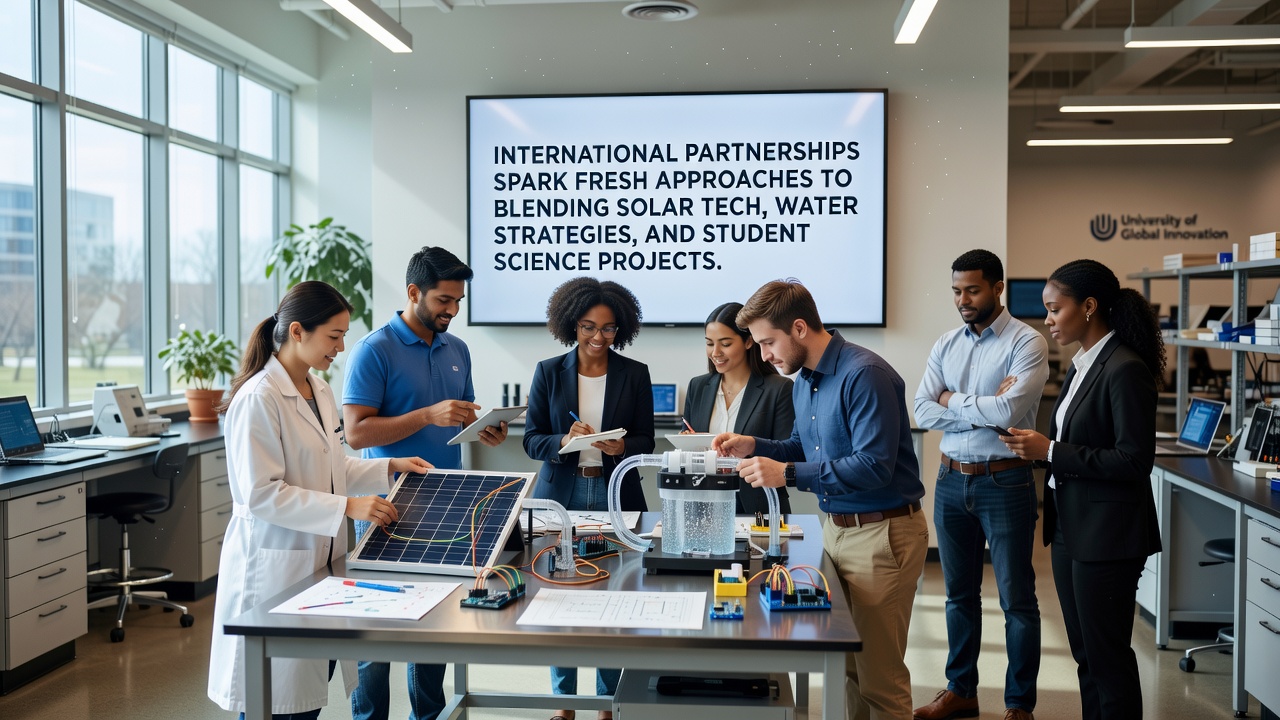
International Partnerships Spark Fresh Approaches to Blending Solar Tech, Water Strategies, and Student Science Projects
International collaborations have expanded rapidly in recent years as organizations combine solar energy innovations with water management techniques and educational initiatives involving students. Research teams from multiple continents work together on projects that integrate photovoltaic systems with advanced filtration methods, while student groups contribute through hands-on experiments and data collection. These efforts focus on regions facing both energy access challenges and water scarcity, where combined technologies offer measurable improvements in efficiency and resource use.
Partnership Structures and Recent Activities
Teams based in Europe, North America, and Asia have formed alliances that share technical resources and testing protocols. One project launched in early 2025 connects laboratories in Poland with counterparts in Australia and Canada to test solar-driven desalination units in coastal and inland settings. Data collected through these networks show consistent gains in energy conversion rates when modular solar arrays pair with membrane distillation processes. Observers note that cross-border agreements allow access to diverse climate conditions for field trials, which accelerates validation of system performance across varying temperatures and humidity levels.
Meetings scheduled for October 2026 in Warsaw will review progress on joint prototypes and outline next-phase deployments. Participants plan to present findings on hybrid systems that use excess solar capacity to power water pumping stations during peak daylight hours. Reports from similar earlier gatherings indicate that such events lead to updated design guidelines shared among academic and industry partners.
Integration of Solar Technology with Water Management
Solar photovoltaic panels now support water treatment operations in several pilot sites where traditional grid connections remain unreliable. Engineers have documented cases in which solar arrays supply direct current to pumps and ultraviolet disinfection units, reducing reliance on diesel generators. Studies conducted by multinational groups reveal that these setups achieve up to 30 percent lower operational costs in remote locations after initial installation. Water strategies incorporate real-time sensors that adjust flow rates based on solar irradiance forecasts, allowing systems to conserve treated output during cloudy periods.
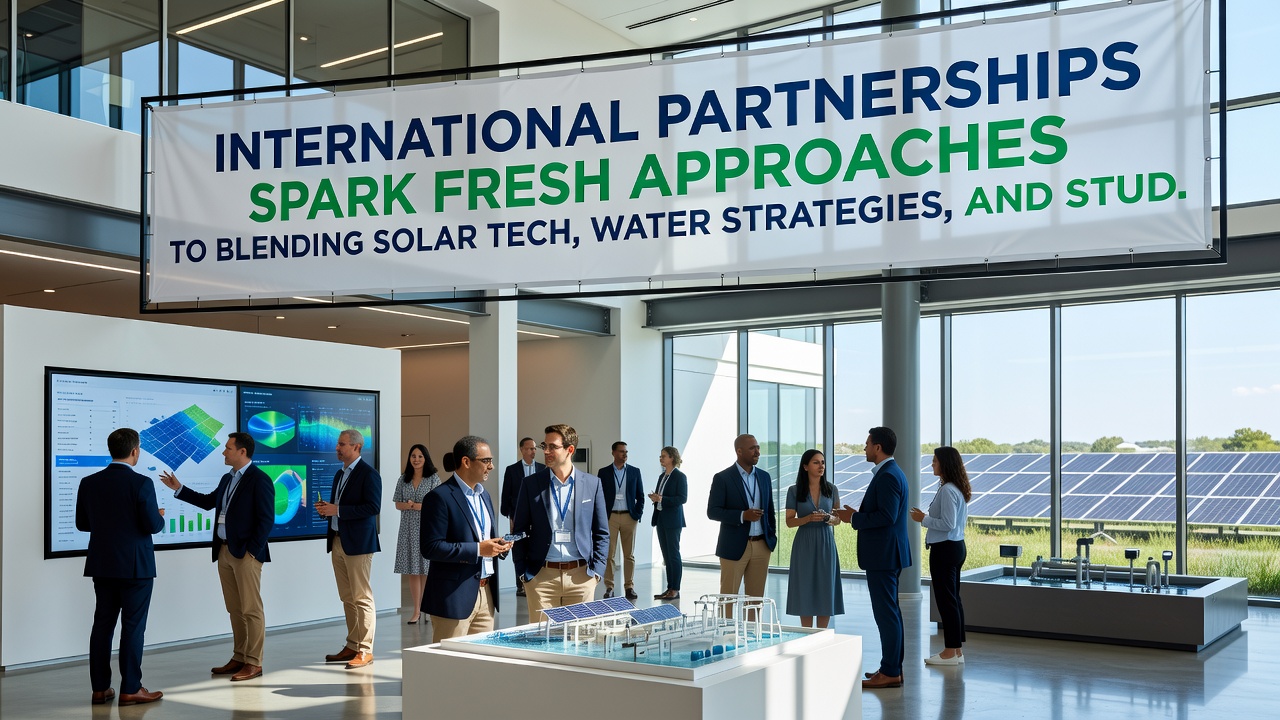
Additional work examines atmospheric water harvesting devices powered by flexible solar films. Researchers in arid zones report that combining these collectors with student-designed condensation prototypes yields potable water volumes sufficient for small community use. Figures released by the US Department of Energy highlight parallel advancements in concentrated solar power applications for larger-scale purification plants. Coordination between these efforts ensures that lessons from one region inform adjustments in others.
Student Science Projects and Educational Components
University programs now embed international partnership projects into curricula so that students participate directly in prototype development and monitoring. Groups in participating countries design experiments that measure solar panel output alongside water quality parameters such as salinity and microbial content. Data logs compiled by these students feed into shared databases that partner institutions analyze for patterns and anomalies. One initiative pairs high school teams with research mentors to build low-cost solar stills, then compares their performance against commercial units under controlled conditions.
Training modules developed through these collaborations emphasize practical skills in electronics, fluid dynamics, and environmental sampling. Participants submit findings at regional science fairs, where judges evaluate both technical results and documentation practices. Evidence from ongoing programs shows increased student enrollment in related STEM fields following exposure to these applied projects. Partnerships also facilitate virtual exchanges that allow students to review datasets collected on different continents without travel requirements.
Measured Outcomes and Ongoing Monitoring
Performance metrics collected across multiple sites indicate that integrated solar-water systems maintain stable operation when maintenance schedules align with student fieldwork periods. Long-term tracking reveals gradual improvements in component durability as feedback from field teams informs material upgrades. Organizations such as the Commonwealth Scientific and Industrial Research Organisation contribute baseline environmental data that helps calibrate models for future installations. These records support planning for scaled deployments in additional countries facing similar resource constraints.
Monitoring continues through sensor networks that transmit readings to central servers accessible to all partners. Regular reviews identify equipment wear patterns early, which reduces downtime and extends service life of deployed units. Student contributions remain central to data validation because their frequent site visits catch issues that automated systems might overlook.
Conclusion
International partnerships continue to link solar technology development with water management practices and structured student involvement. Activities planned through 2026 and beyond build on existing frameworks that emphasize shared data, joint testing, and educational outreach. The resulting systems deliver documented benefits in resource efficiency while training new generations of researchers in applied environmental solutions. Ongoing documentation ensures that findings remain available for refinement and wider adoption.